Which State is Oldest?
It depends on how we measure age.

There are a number of ways to measure the age of a state. We can look at the median age, average age, the percentage of the population aged 65 and older, or the population 85 and older.
85+
According to the U.S. Census Bureau, currently 1.9% of the U.S. population is 85 or older, slightly higher than 1.8% in 2020. By contrast, the 65 to 84 population increased by 1.6% during those same four years, from 14.5% of this U.S. population in 2020 to 16.1% in 2024.
The three oldest states in terms of super seniors — those 85 and older — are:
Hawaii - 2.95%
Florida - 2.6%
Maine - 2.3%
The first two, of course, are prime retirement states.
The youngest states by this measure are:
Alaska - 1.0%
Utah - 1.1%
Texas - 1.3%
65-84
We get different results if we look at the 65 to 84 population, most of whom are baby boomers. The oldest states by that measure are:
Maine - 21.2%
Vermont - 20.6%
Delaware - 19.8%
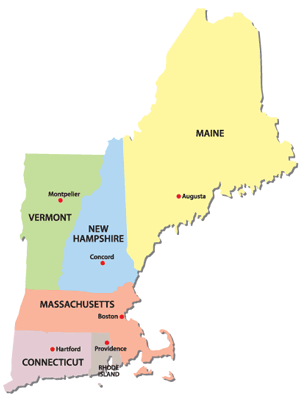
Two of them have also seen the fastest growth of this cohort over the last four years, the top three states being:
New Hampshire - 2.6%
Vermont - 2.5%
Delaware - 2.2%
That’s a lot of growth, and probably a lot of people retiring, though perhaps they are becoming more popular retirement destinations as well.
The youngest states in terms of the number of younger seniors are:
Utah - 11.3%
the District of Columbia - 11.4%
Alaska - 13.7%
Median Age
The median age in the United States was 39.1 in 2024, an increase of 0.6 years since 2020. Not surprisingly, the oldest three states by median age are:
Maine - 44.8
New Hampshire - 43.6
Vermont - 43.6
The youngest states are:
Utah - 32.4
the District of Columbia - 34.9
Texas - 35.8
The median age in the United States is significantly lower than that of most European and east Asian countries, including:
Japan - 49.9
Italy - 48.4
Germany - 46.8
In contrast, these median ages are more than triple those of a number of African countries, including:
Niger - 15.2
Uganda - 16.2
Angola - 16.3
In other words, half of Japan’s population is 50 or older and half of Niger’s is 15 or younger, both representing significant imbalances.
The mean or average age of the United States is slightly higher than its median age, 39.6 in 2024. I couldn’t find the number for 2020 (or for the individual states), but it was 39.1 in 2021, reflecting a growth of half a year in average age over just three years.
What Does This Tell Us?
Clearly the United States is aging quickly, but some states much faster than others. Utah, Texas, Alaska and the District of Columbia have the youngest populations and as a result can be the least concerned about rising elder care needs in the future.
Two of the states with the highest percentage of super seniors today, Florida and Hawaii, have lower numbers of younger seniors, perhaps because they are less popular as retirement destinations for baby boomers than they were for their parents.
The northern New England states and Delaware face a much greater demand for elder care in future years and are likely to face significant fiscal and labor force challenges in meeting that need.
A Solution?
The more I learn about this field, the more I come to the conclusion that the only way they and many other states will be able to meet these challenges is by the rapid expansion of “innovative housing models that integrate essential services, keeping our neighbors connected and cared for within their communities,” to quote former Massachusetts State Senator Richard T. Moore writing in The Dignity Digest of the Dignity Alliance of Massachusetts.
I had the opportunity to learn about examples of these communities in conversations in my podcast series with Dr. Derenda Schubert, executive director of Bridge Meadows in Portland, Oregon, and Lizbeth Heyer, President of 2Life Communities in greater Boston. Both communities provide apartment living for older adults with services that permit them to age in place as their need for assistance develops. They are able to avoid the isolation that plagues many seniors living alone and services can be offered at a much lower cost than either home health care in private homes scattered across communities or care in assisted living facilities or nursing homes. The care can also be provided much more efficiently, which is vital given the shortage of care workers now and in the future.